Heart rate tells you how often your heart beats. HRV describes variation between successive beats. To understand a reading, identify the metric, recording duration and conditions first. A number becomes useful when you can compare like with like.
What do RMSSD and SDNN mean?
RMSSD summarizes successive differences between normal heartbeat intervals. SDNN describes the spread of those intervals over the recording. Both are expressed in milliseconds. Frequency-domain analysis examines how variability is distributed across frequency bands. The 1996 European and North American Task Force standards established these distinctions and the importance of standardized recordings.
A wearable’s readiness score adds another layer: it may combine HRV with sleep, resting heart rate and other inputs. Record the underlying metric when comparing devices or reading a study. An app score, an HRV value in milliseconds and a research instrument’s functional index each have their own definition.
What is a good HRV?
Your own consistently measured trend is the useful starting point. Keep the device, time of day and recording routine stable. Note changes in training, sleep and daily demands alongside the result. A single reading gives one observation; a series helps you identify a pattern. For a practical routine, use the HRV improvement guide.
Why athletes track HRV
Kiviniemi and colleagues’ 2007 randomized training study assigned 26 healthy, moderately fit men to HRV-guided training, predefined training or a control group. It tested whether daily HRV could help prescribe endurance exercise. The authors concluded that HRV-guided prescription could effectively improve cardiorespiratory fitness. The useful application is to connect a physiological measurement with training decisions and the outcomes actually measured.
How Aires studied autonomic regulation
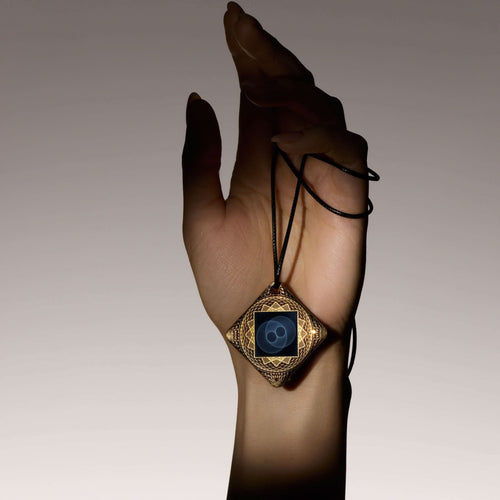
S. Datova’s original 2013 report studied 13 apparently healthy volunteers aged 40–59. Researchers recorded 300 RR intervals, applied Aires Defender over the celiac-plexus region for 20 minutes, then recorded another 300 intervals. The seated protocol used the Omega-M system after an initial rest period.
The regulatory-system stress index fell in 12 of 13 volunteers. Table 4 also reports an increase in the aggregate cardiovascular adaptation score from 42.2 to 55.7, a gain of 13.5 percentage points on that instrument’s scale. Datova concluded that Aires Defender optimized autonomic-balance indicators, reduced regulatory tension and increased adaptive capacity.
The source-linked Datova summary explains the protocol and all five functional scores. Andrew Michrowski’s 2018 PACE expert peer review assesses the methods and places the findings within adaptive physiology. Both the research and the original peer review are available to read in full.
Follow the broader cardiovascular research
The Aires program also includes Havas’s 2015 cardiovascular case reports and rhythmocardiography within the later Lifetune ONE research. Each adds a different measurement approach. The HRV and cardiovascular research hub connects those reports, the observed results and their publication histories.
Across the wider program, heart-rhythm measurements sit alongside human EEG research, animal-model work and physical modeling and experiments. This sequence connects the patterned-resonator design with tests of biological response. Explore the research timeline to follow those connections across decades.
From measurement to a connected daily routine
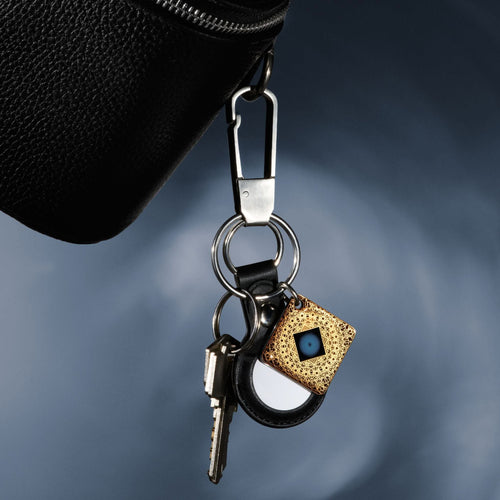
Use HRV to ask a precise question about your routine. Establish a consistent record, identify the change you want to examine and keep other conditions as steady as practical. Our home-EMF guide connects environmental planning with the research, while the Lifetune application guide explains current product formats and placement.
Updated October 28, 2026 · Josh, Aires. Original researchers and publications are credited in the linked sources.