
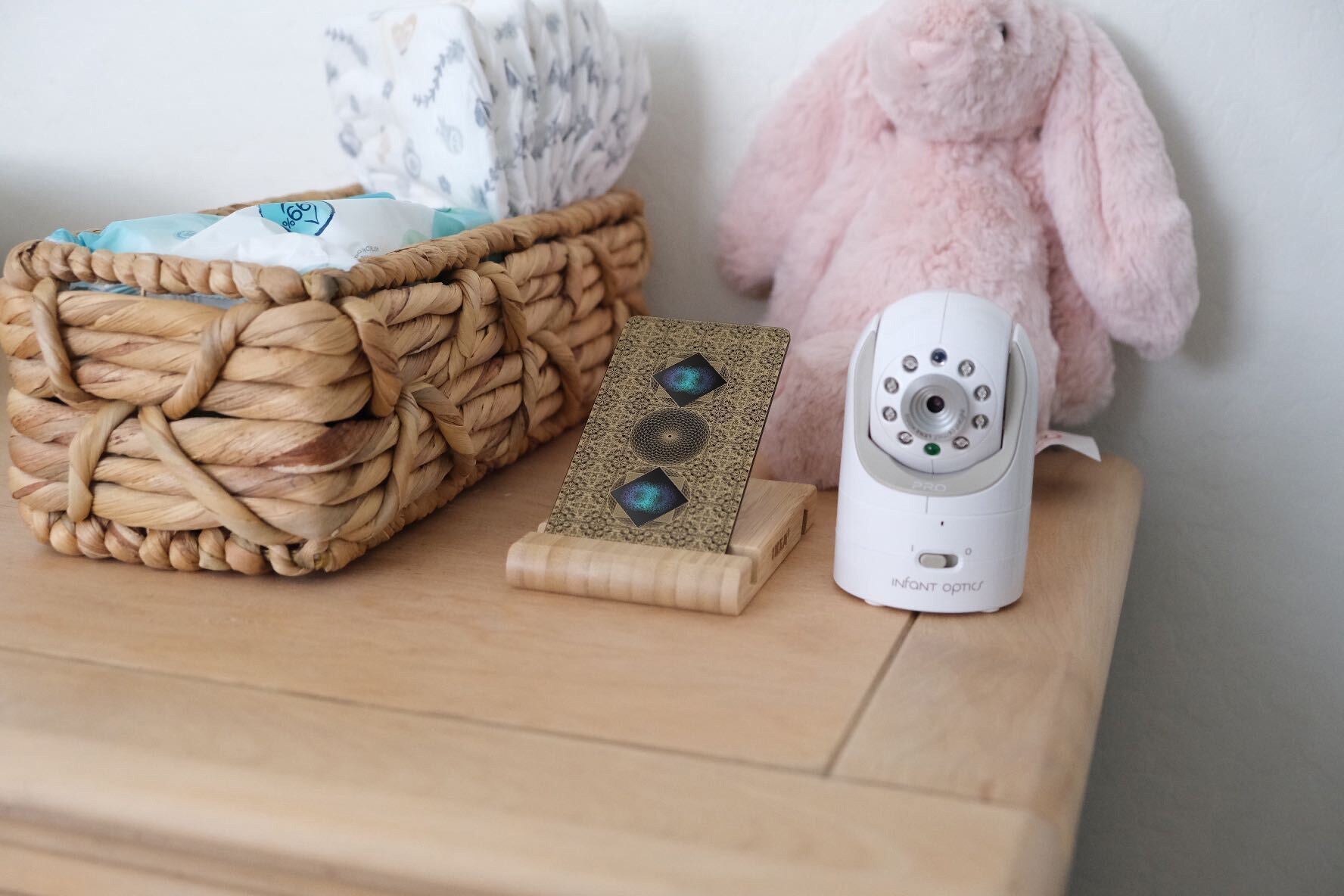
What a Wellness-Optimized Home Electromagnetic Environment Looks Like
Most people give no thought to the electromagnetic field environment of their home — it’s invisible, unfelt in any direct way, and rarely discussed in mainstream health contexts. But the wireless density of a modern home is a measurable reality, and the research literature has reached a point where we can describe, in meaningful terms, what a wellness-optimized home electromagnetic environment looks like in practice. Below are five indicators that your home’s EMF environment is supporting rather than adding to your total biological stressor load.
1. Your Sleep Area Is Low-Density Wireless
The sleep environment is the highest-priority EMF zone because it’s where your body spends 7-9 hours in active repair and recovery. A wellness-oriented sleep environment has the router located in a utility room rather than the bedroom, phones charged across the room or outside the bedroom, and no smart devices broadcasting on a nightstand within arm’s reach. If coherence modulation devices are in use, the sleep zone should be the first priority placement.
2. Your Work Area Has Addressed Close-Proximity Sources
The desk environment typically concentrates close-proximity exposure: a laptop on the desk, a phone next to it, and a router nearby — often directly behind or under the desk. A wellness-supporting work environment uses wired ethernet where possible (eliminating one continuous wireless source), keeps the phone at arm’s length rather than adjacent to the body during deep work, and has coherence modulation coverage for the primary work zone.
3. You Track HRV and It’s Trending in the Right Direction
Heart rate variability is the most accessible personal metric for assessing environmental stressor load — including EMF stressor contribution. The 2024 VMA study (24 subjects) documented HRV improvements associated with Aires device use. If you track HRV and your scores reflect good recovery, low autonomic stress, and consistent quality sleep, your environment — including the electromagnetic field environment — is likely supporting your physiology rather than working against it.
4. New Wireless Devices Are Placed Thoughtfully
A wellness-oriented household treats new wireless device placement as a deliberate decision rather than defaulting to convenience. The smart speaker goes in the living room, not the bedroom. The mesh router node serves the office without sitting on the desk. New smart appliances are assessed for their wireless-activity patterns. This decision-making habit reflects an awareness that each new device adds to the ambient wireless density of the spaces people occupy.
5. Children’s High-Occupancy Spaces Are Protected
The PACE Resolution 1815 and the IFRAN hippocampal research program both specifically highlight children’s developing neurological systems as the highest-priority consideration in EMF management. A wellness-supporting home ensures that the spaces where children spend the most time — bedrooms, primary play and study areas — have the lowest wireless density and, where appropriate, coherence modulation coverage.
VMA Research Group (2024). EEG and ECG Assessment of Aires Device Effects. 24-subject trial.
PACE Resolution 1815 (2011). Parliamentary Assembly, Council of Europe.
IFRAN Stage III Rat Memory Study (2017). Memory impairment and hippocampal neurodegeneration.
Dyuzhikova, N.A. et al. (2019). Chromosomal Aberration Frequency study. p<0.001.
IARC/WHO (2011). Radiofrequency Electromagnetic Fields — Group 2B classification.