Pregnancy often brings a closer look at the home, workplace and daily routine. EMF is a broad category: a phone’s radiofrequency signal, a power-frequency magnetic field and a medical X-ray have different properties. The useful starting point is the actual source, exposure conditions and outcome studied.
Which everyday sources matter?
Phones, Wi-Fi routers and Bluetooth accessories use radiofrequency signals. Household wiring and electrical appliances produce power-frequency electric and magnetic fields. The National Cancer Institute’s source guide explains these categories and how distance affects exposure. Device position, operating mode and time in use matter more than a generic count of electronics.
Map where you use your phone and laptop, where network equipment sits, and where you rest. Keep separate notes for your bedroom, workspace and shared rooms. The home EMF guide turns that map into a practical room-by-room plan.
What does pregnancy research report?
Kashani and colleagues’ 2023 systematic review and meta-analysis reported associations across fetal, childhood and biological outcomes, including developmental abnormalities and markers of oxidative stress and DNA damage. It covers different exposure sources and outcomes; its pooled findings need to be read alongside those distinctions.
Johnson and colleagues’ 2024 review focused on human observational evidence for radiofrequency exposure and female reproductive outcomes. It assessed preterm birth, birth weight, miscarriage and other outcomes, and rated the overall evidence as very uncertain. That assessment concerns the available study designs and exposure measurements.
A newer 2026 review by Wang and colleagues examined 20 studies of maternal mobile-phone use and pregnancy or fetal outcomes. The authors identified the most consistent signals in fetal or neonatal cardiac function and preterm birth, while reporting mixed findings and calling for standardized exposure assessment. Together, these publications make the research questions specific: which source, at what exposure, during which stage, and with which measured outcome?
How do exposure guidelines address pregnancy?
The ICNIRP 2020 radiofrequency guidelines distinguish general-public and occupational restrictions. They apply general-public restrictions to pregnant workers to account for fetal exposure. The limits depend on frequency and exposure conditions; there is no single number that describes every household field.
Compliance with a field-exposure limit and evidence for a product’s biological effects are separate measurements. A product claim should identify its study, device and measured endpoint. Our EMF-device comparison explains how to evaluate shielding, exposure reduction and Aires’ structural-modulation approach.
Keep ultrasound and medical imaging in their correct categories
Ultrasound uses sound waves. It is not radiofrequency EMF or an X-ray. The FDA ultrasound guide explains its imaging method and appropriate medical use. Follow the prenatal-care team’s imaging plan and discuss the purpose of each examination with them; household EMF advice is not a substitute for decisions about medical imaging.
Where Aires’ research fits
Aires develops patterned semiconductor resonators to investigate a central idea: the interaction between electromagnetic structure and biological response can be deliberately influenced. Its research program connects physical models, laboratory measurements and physiological testing across decades.
Human autonomic response: Datova’s original 2013 report recorded a lower regulatory-system stress index in 12 of 13 adult volunteers after a 20-minute Aires Defender application. Andrew Michrowski’s PACE expert peer review assesses that research. The cardiovascular hub connects the complete findings and related investigations.
Brain electrical activity: Serov and Sysoev’s 2014 EEG report tested a GSM-900 phone with and without Aires Shield in eleven adult men. The 2026 Sysoev–Budko journal publication develops the Lifetune ONE research sequence. The EEG hub links the protocols, versions and original papers.
Physical structure: the 2026 infrared-imaging paper and its ICICT published version investigate patterned silicon during heating and cooling. These papers connect the engineered structure to measured physical behavior. These adult and physical studies establish their named findings; they do not test pregnancy safety or birth outcomes.
Make a clear home and device plan
Choose practical positions for phones, laptops and network equipment. Use speakerphone or a wired connection where it fits your routine, and switch off wireless functions you do not need while preserving essential communication. Keep device and charging placement consistent so changes are easy to track.
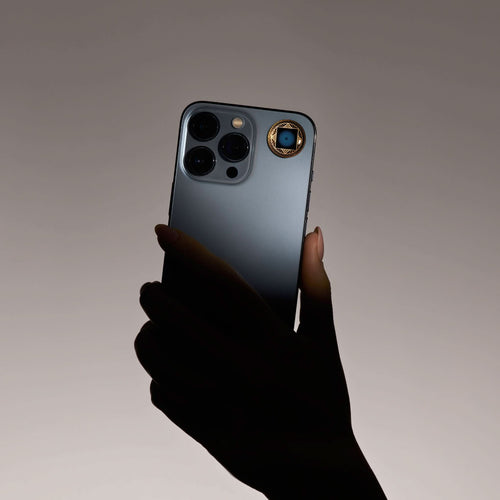
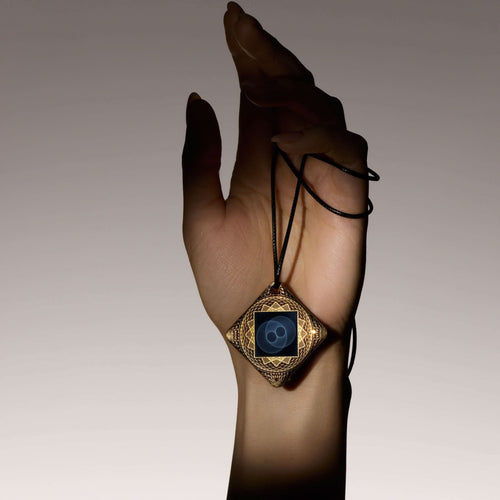
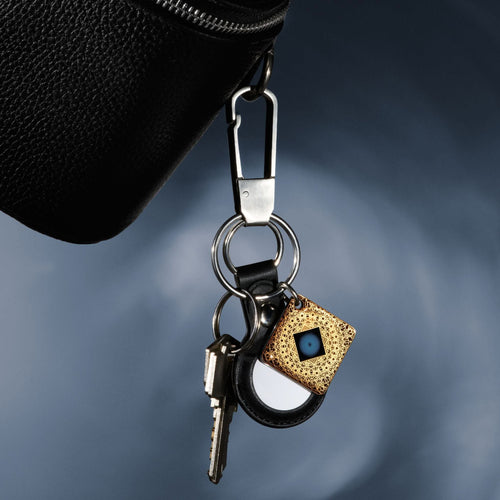
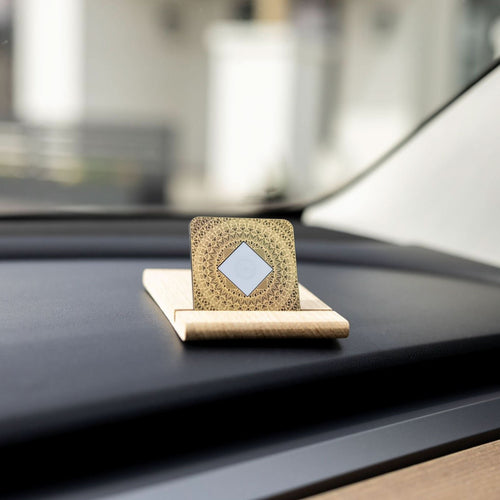
For Aires, select the format for the device, wearable or shared space you want to address using the Lifetune application and placement guide. Follow the research timeline to see how original physics, biological testing and current product development connect.
Updated October 28, 2026 · Aires editorial team. Original reports and publications are linked at the relevant findings.