Key Points
- EMF Emissions From Apple Watch: The Apple Watch emits electromagnetic fields primarily through Bluetooth, WiFi, and LTE, with published SAR values typically between 0.83–0.86 W/kg — well below the 1.6 W/kg FCC limit but representing continuous, skin-contact exposure that differs from intermittent device use.
- Real-World Influences On EMF Levels: Connectivity mode, physical activity, and environmental signal conditions all influence emission intensity. Cellular-active use generates substantially higher RF output than Bluetooth-only mode.
- Aires' Structural Field Modulation Approach: Aires technology applies structural field modulation to the electromagnetic environment around wearable devices — altering field coherence properties rather than blocking signals, so device function is preserved.
As wearables become extensions of our bodies, understanding their electromagnetic footprint matters. The Apple Watch raises a question that most EMF discussions overlook: what does continuous, skin-level contact with a device that emits Bluetooth, WiFi, and cellular signals mean over months and years? Regulatory limits address acute effects; they do not directly address chronic, constant-contact exposure.
In this article, we cover how much EMF the Apple Watch emits, which features drive the most emissions, and what evidence-based steps exist for reducing exposure without sacrificing functionality.
Apple Watch EMF Emissions: The Actual Data
Apple publishes Specific Absorption Rate (SAR) values for each Apple Watch model. SAR measures the rate at which the body absorbs RF energy and is the standard metric used by the FCC and international regulatory bodies. Representative values:
Apple Watch Series 9 (GPS + Cellular): SAR 0.86 W/kg (body). Apple Watch Ultra 2: SAR ~0.84 W/kg. Apple Watch SE (2nd generation): SAR ~0.83 W/kg. The FCC limit is 1.6 W/kg averaged over 1 gram of tissue. All Apple Watch models fall well below this threshold.
However, SAR is measured at maximum power output under standardized test conditions. Actual real-world exposure during typical use is lower than these peak values — but also continuous, unlike the test protocol.
The more relevant consideration for a device worn 24/7 against the skin is cumulative exposure geometry. A smartphone produces higher peak SAR but is typically held away from the body during use and put down frequently. An Apple Watch is in continuous skin contact during all waking hours and potentially during sleep, at lower intensity but without interruption. These are different exposure profiles with different biological implications that current regulatory frameworks are not designed to distinguish.
Understanding Electromagnetic Emissions From Wearable Tech
All wireless devices communicate through electromagnetic fields (EMFs). These fields emerge from radiofrequency (RF) signals generated by Bluetooth transmitters, WiFi, GPS, and cellular modems. Each function — sending a notification, tracking a workout, syncing to your phone — produces a specific electromagnetic signature. The Apple Watch's key EMF sources are:
Bluetooth: The lowest-power radio in the watch, operating at 2.4 GHz with typical output of ~1–2 mW. Active when paired to iPhone for most functions. WiFi: 2.4 and 5 GHz, used for data sync and streaming. Higher power than Bluetooth but used intermittently. Cellular (LTE): The highest-power radio, used when away from the paired iPhone. Transmits at power levels that produce the majority of RF exposure when active.
Factors That Influence Radiation Intensity During Daily Use
EMF intensity from an Apple Watch is not constant — it fluctuates throughout the day based on several factors.
Connectivity Mode And Signal Strength
Bluetooth-paired mode (watch connected to nearby iPhone) produces the lowest EMF output for most functions. WiFi use increases emissions. Cellular (LTE) use — answering calls, streaming, or using apps without the paired phone nearby — generates the highest RF output. In environments with poor cellular signal, the watch automatically increases transmission power to maintain the connection, further elevating emissions.
Movement And Physical Interaction
Because the Apple Watch rests directly against the skin, every health-tracking function contributes to cumulative exposure. Heart rate monitoring, ECG readings, and blood oxygen tracking prompt temporary increases in sensor and radio activity. GPS-intensive workouts increase data transmission and sensor engagement.
Environment And External Technology
Dense wireless environments — offices, gyms, crowded transit — force the watch to maintain stronger connections against interference from other devices. This increases RF output compared to low-density environments.
The Sleep Question: EMF From a Wrist Device During Sleep
Sleep is when the body conducts most cellular repair and hormone regulation — and also when continuous Apple Watch wear creates an uninterrupted skin-contact RF exposure. Research has documented EMF effects on melatonin secretion and sleep architecture (see our full article on EMF and sleep). Wearing an active Apple Watch during sleep adds an RF source directly at the wrist throughout the night.
Airplane Mode during sleep is the most practical mitigation: it disables all wireless transmissions while allowing the accelerometer to continue sleep tracking. This preserves the sleep data feature while eliminating the RF component of nighttime exposure.
Aires Technology: Structural Field Modulation for Wearables
Wearable technology represents a specific EMF challenge: the source is not in a room you can leave or a device you can put down. It is directly on the body, continuously.
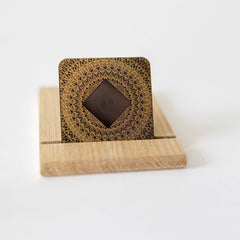
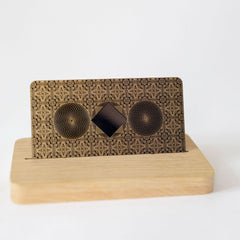
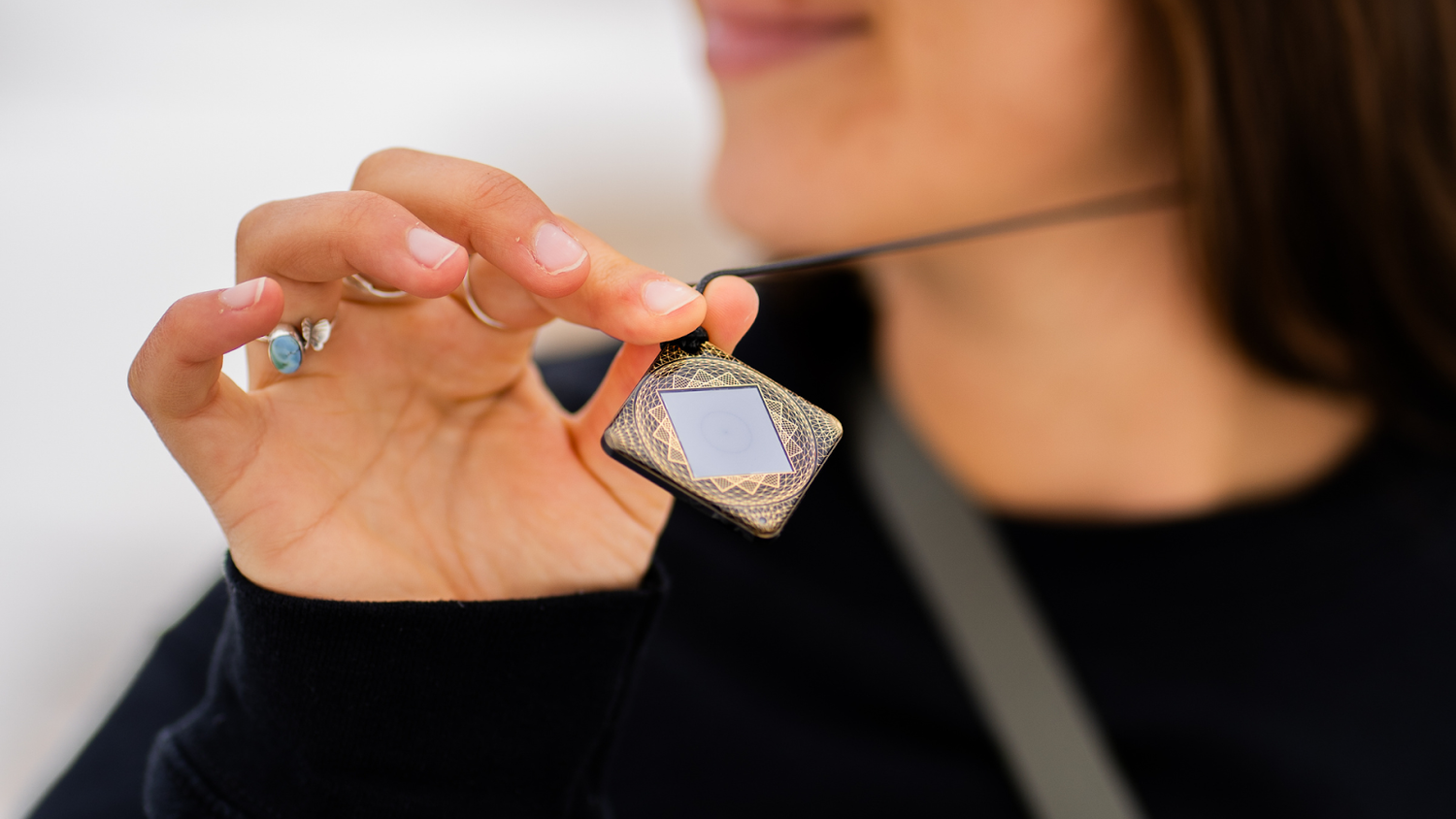
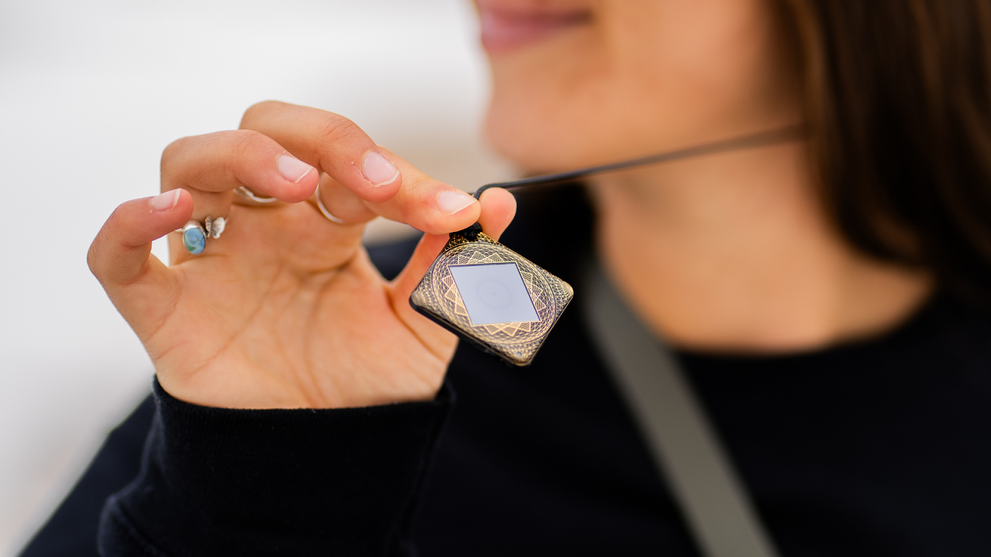
At Aires, we address this challenge not through blocking — which would interfere with device functionality — but through structural field modulation. This approach applies a fractal-matrix semiconductor wafer that modifies the coherence properties of electromagnetic fields passing through it. Fields passing through the wafer have their structural characteristics altered; the change is not in field intensity but in field structure.
Independent research has documented measurable biological outcomes consistent with this mechanism — normalized HRV in autonomic dysregulation trials, reduced chromosomal aberration rates in EMF-exposed organisms (Dyuzhikova et al. 2019) — in studies conducted by the Russian Academy of Sciences. View Aires personal protection devices.
Practical Steps To Reduce Wrist-Based Exposure
- Airplane Mode When You Don't Need Connectivity: Step counting, heart rate monitoring, and alarm functions continue in Airplane Mode. For hours when you don't need notifications or calls, this eliminates RF emissions entirely.
- Disable Cellular When Paired to Phone: If your iPhone is with you, the Apple Watch doesn't need its cellular radio. In Settings, you can manage whether cellular activates automatically. Keeping it disabled when the phone is nearby substantially reduces emission levels.
- Remove the Watch During Sleep: If sleep data isn't a priority, removing the watch at night eliminates nighttime skin-contact RF exposure. If you want sleep tracking, Airplane Mode preserves accelerometer-based tracking without RF.
- Maintain a Comfortable Fit: A watch worn too tightly presses the antenna closer to tissue. A secure but not tight fit keeps the device functional while maintaining a small natural gap.
Debunking Common Misconceptions About Smartwatch Radiation
"Any skin-level EMF is dangerous"
Not supported by current evidence. The established biological concern from non-ionizing RF is thermal — tissue heating from energy absorption. Apple Watch SAR values are far below the threshold for thermal effects. The open research questions concern long-term low-level exposure, not acute harm from normal use.
"More features mean more radiation"
Partly true but overstated. Cellular-equipped models do emit more RF during cellular use than WiFi or Bluetooth-only use. But all modes operate well within regulatory limits, and Bluetooth use produces very low emissions. The specific feature that matters most is cellular activation — not the presence of cellular hardware.
"Shielding or EMF-blocking covers protect you"
Products that block or shield Apple Watch EMF also block the signals the watch needs to function. Blocking the Bluetooth signal forces the watch to increase transmission power to maintain the connection, which can increase rather than decrease exposure. Structural field modulation — which alters field characteristics without attenuating signals — is mechanistically different from blocking.
Frequently Asked Questions About Apple Watch EMF
How much EMF does an Apple Watch emit?
Apple Watch SAR values typically fall between 0.83–0.86 W/kg at peak output — well below the FCC limit of 1.6 W/kg. Real-world use during most daily activities produces lower average exposure, but skin-contact is continuous.
Is the EMF from an Apple Watch dangerous?
Apple Watch EMF levels fall well below regulatory limits for acute thermal effects. Long-term, continuous, skin-contact exposure is an open research question that current guidelines were not specifically designed to address. Prudent reduction steps (Airplane Mode, removing watch during sleep) are low-cost ways to reduce cumulative exposure.
Does the Apple Watch emit more EMF when cellular is on?
Yes — cellular (LTE) is the highest-power radio in the Apple Watch. Use without the paired iPhone nearby, or in poor signal areas, drives the highest emission levels. Bluetooth-paired mode with the iPhone nearby produces substantially lower emissions.
How can I reduce EMF exposure from my Apple Watch?
The most effective steps: enable Airplane Mode when connectivity isn't needed (core functions continue), disable cellular when your iPhone is nearby, and remove or use Airplane Mode during sleep. For ambient field modification without disrupting device function, Aires structural field modulation technology alters field coherence properties rather than blocking signals.
Should I wear my Apple Watch while sleeping?
Given documented EMF effects on melatonin and sleep architecture, continuous wrist-contact RF exposure during sleep is worth considering. Airplane Mode during sleep disables RF transmissions while allowing accelerometer-based sleep tracking to continue. This preserves sleep data while eliminating the RF component of overnight exposure.
Related: EMF and Sleep: What the Research Shows | Cell Phone Radiation: What It Is and What the Research Says